
NEWS: A sharp decline of 140 tonnes in Iran's saffron production and the ongoing crisis in West Asia have led to a surge in global demand for Kashmir Saffron.
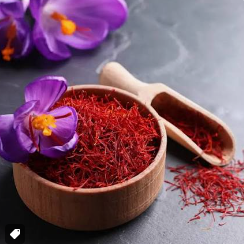
About Kashmir Saffron
- Derived from the dried stigmas of Crocus sativus flower.
- Known as "Red Gold" due to its high value and unique quality.
- Received the Geographical Indication (GI) Tag in 2020.
- Primarily cultivated in Pampore (Pulwama district), known as the "Saffron Town of Kashmir".
Distribution
Major cultivation areas: Pulwama, Budgam, Srinagar, Kishtwar
Unique Features
- Grown in Karewa soils—elevated alluvial deposits rich in minerals and organic matter.
- World's only saffron cultivated at an altitude of 1,600–1,800 metres above mean sea level.
- Possesses longer, thicker stigmas with a deep crimson-maroon colour.
- Known for superior aroma, flavour, and colouring strength.
Key Bioactive Compounds
- Crocin (18–22%) – Provides intense colour and antioxidant properties.
- Safranal (0.8–1.2%) – Responsible for characteristic aroma.
- Picrocrocin (8–12%) – Gives the distinctive bitter taste.
Traditional Grades
- Mongra – Highest premium grade; consists only of crimson stigma tips.
- Lachha – Dried saffron stigmas separated from flowers.
- Guchhi – Saffron threads tied together in traditional bundles.
Significance
- Important cash crop of Jammu & Kashmir.
- Enhances farmers' income and export earnings.
- Represents India's premium agricultural heritage product in global markets.