
Santhal Rebellion (1855-56)
Santhal Rebellion (1855-56)
Why in News?
June 30, 2025, marks the 170th anniversary of the Santhal Hul (Rebellion)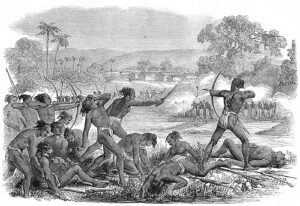 —a significant tribal uprising against British colonial rule. The state of Jharkhand observes this day annually as ‘Hul Diwas’.
Background & Causes:
-
Damin-i-Koh (1832): Region created by the British in Rajmahal Hills to settle Santhals from Bengal regions (Birbhum, Murshidabad, Manbhum, etc.).
-
Broken Promises: Santhals were promised cultivable land but faced:
-
Land alienation
-
Bonded labour (kamioti and harwahi)
-
Exploitative moneylenders, zamindars, and British officials
-
The Revolt (1855-56):
-
Leaders: Sidhu and Kanhu Murmu (brothers)
-
Nature: Organised armed resistance involving 32 tribal and non-tribal communities
-
Objective: Fight economic exploitation and establish self-rule
-
Suppression: Crushed by British using modern firearms, cavalry & war elephants
-
Both Sidhu and Kanhu were killed.
Significance & Impact:
-
Preceded 1857 Revolt: Seen as a precursor to the First War of Independence
-
Inspired later revolts in areas like Manbhum and Hazaribagh during the 1857 mutiny
-
Laid foundation for tribal consciousness and resistance identity
Who Were the Santhals?
-
Migrated due to 1770 Bengal famine
-
Encouraged by British to settle forests for agricultural revenue
-
Third-largest tribal group in India today; primarily in Jharkhand, Bihar, Odisha, West Bengal
Knowledge Nugget: Other Major Tribal Revolts:
| Rebellion | Year | Leader(s) | Region | Cause |
|---|---|---|---|---|
| Paika Rebellion | 1817 | Bakshi Jagabandhu | Khurda, Odisha | Loss of hereditary land, martial status |
| Kol Revolt | 1831 | Buddhu Bhagat, Joa Bhagat | Chotanagpur | Land alienation, economic oppression |
| Bhil Revolt | 1818, 1825 | Sewaram | Khandesh, Maharashtra | British interference in traditional rights |
| Munda Rebellion (Ulgulan) | 1899-1900 | Birsa Munda | Chotanagpur | Anti-zamindari, anti-missionary, self-rule |
| Tana Bhagat Movement | 1914 | Jatra Bhagat | Central India | Agrarian discontent, no-rent, tribal revival |
| Dhal Revolt | 1767-1777 | Jagannath Dhal | Dhalbhum (W. Bengal/Jharkhand) | British marginalisation, tribal autonomy |
Post-Revolt Reforms:
-
Chotanagpur Tenancy Act (1908): Protected tribal land from transfer to non-tribals
-
Tenancy Act (1903): Recognised traditional rights like khuntkatti

You must be logged in to post a comment.