
Published on: September 13, 2025
KERALA RESEARCHERS DEVELOP INNOVATIVE WOUND-HEALING PAD FROM RED IVY PLANT
KERALA RESEARCHERS DEVELOP INNOVATIVE WOUND-HEALING PAD FROM RED IVY PLANT
NEWS
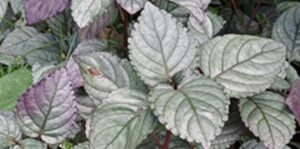
- A team at the Jawaharlal Nehru Tropical Botanic Garden & Research Institute (JNTBGRI), Palode, Thiruvananthapuram, has utilized the traditional medicinal plant red ivy (Strobilanthes alternata) for modern healthcare applications.
- The research was conducted under the Centre of Excellence in Phytochemical Nanotechnology
- A novel bioactive molecule, acteoside, was identified and isolated from red ivy for the first time.
HIGHLIGHTS
Traditional Knowledge Meets Modern Science
- Red ivy, locally known as murikooti pacha, has been traditionally used across tropical regions, including India, for treating cuts and wounds.
- Acteoside, although known for pharmacological and therapeutic properties, had never been linked to red ivy until this study.
Development of the Wound-Healing Pad
- Scientists created a multi-layered wound pad with acteoside as the key ingredient.
- Remarkably effective at low concentrations (0.2%), the compound enhances healing efficiency.
- The pad incorporates:
- Electro-spun nanofiber layer made from biodegradable, non-toxic, FDA-approved polymers.
- Neomycin sulfate, an antibiotic, to prevent infections.
Technological Advantages
- The nanofiber layer is ultra-thin, porous, and engineered for optimal functionality.
- It allows for efficient gas exchange, enabling wounds to “breathe” while healing.
- The design ensures controlled drug release, minimal toxicity, and accelerated tissue repair.
Significance and Future Potential
- This innovation demonstrates the integration of traditional plant knowledge with nanotechnology.
- The wound pad is eco-friendly, multifunctional, and scalable for clinical use.
- Potential applications extend to advanced wound care, diabetic ulcers, and surgical recovery.
The discovery may pave the way for India’s self-reliance in biomedical innovations, leveraging indigenous biodiversity

You must be logged in to post a comment.