
Published on: June 17, 2025
SHIPKI LA PASS
SHIPKI LA PASS
CONTEXT
- Shipki La Pass, located at 3,930 m in Himachal Pradesh’s Kinnaur district, has historically connected India with Tibet (now China).
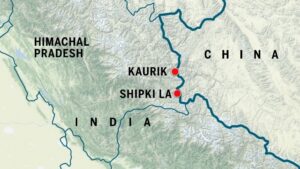
- Used as a vital Indo-Tibetan trade route since at least the 15th century; traditions suggest an even older legacy.
- Closed after the 1962 Sino-Indian war and further strained post-Doklam (2017) and the COVID-19 pandemic.
CONCEPT
- Shipki La was a hub of mutual economic, cultural, and spiritual exchange.
- Trade was underpinned by an oath-based tradition binding communities across the border.
- Goods from Tibet included wool, yaks, gold, turquoise, and devotional items; India exported grains, spices, metals, and utensils.
- Though the trade volume was limited, it had high local socio-economic and cultural value.
- Communities in Kinnaur and Tibet share religion (Buddhism), surnames (e.g., Namgyal), pastoral lifestyles, festivals, and monastic traditions.
CURRENT
- On June 10, 2025, CM Sukhvinder Singh Sukhu launched tourism activities at Shipki La, now open to Indian tourists with just an Aadhaar card — no permit needed.
- First time since independence that Shipki La is open to public access for tourism.
- The move aims to revitalize local tourism, economy, and cultural links.
- Kinnaur’s tribal communities and the Indo-China Trade Association demand full reopening for trade.
- The Himachal government plans to raise the issue with the Ministry of External Affairs.
Significance & Implications
- Religious Tourism: Shortens the route to Mount Kailash and Mansarovar by 14 days from Delhi—huge potential for pilgrimage tourism.
- Local Development: Boosts hospitality, employment, and infrastructure in a remote tribal region.
- Cultural Diplomacy: Acts as a soft power tool and people-led cross-border confidence-building measure.
- Strategic Potential: May contribute to India’s border diplomacy through civilian connectivity rather than military assertiveness.
- Unlike India-Pakistan borders, the Shipki La region thrives on shared culture, not conflict.

You must be logged in to post a comment.